How to Create the Perfect Japanese Dessert Platter: Tips from Serendipity Hokkaido


Introduction to Japanese Dessert Platters
Creating the perfect Japanese dessert platter is an art form that balances aesthetics, flavors, and textures. At Serendipity Hokkaido, we believe that a well-curated platter not only pleases the palate but also the eyes. Whether you're crafting a platter for a special occasion or a simple gathering, our tips will help you create a delightful experience.
Choosing the Right Ingredients
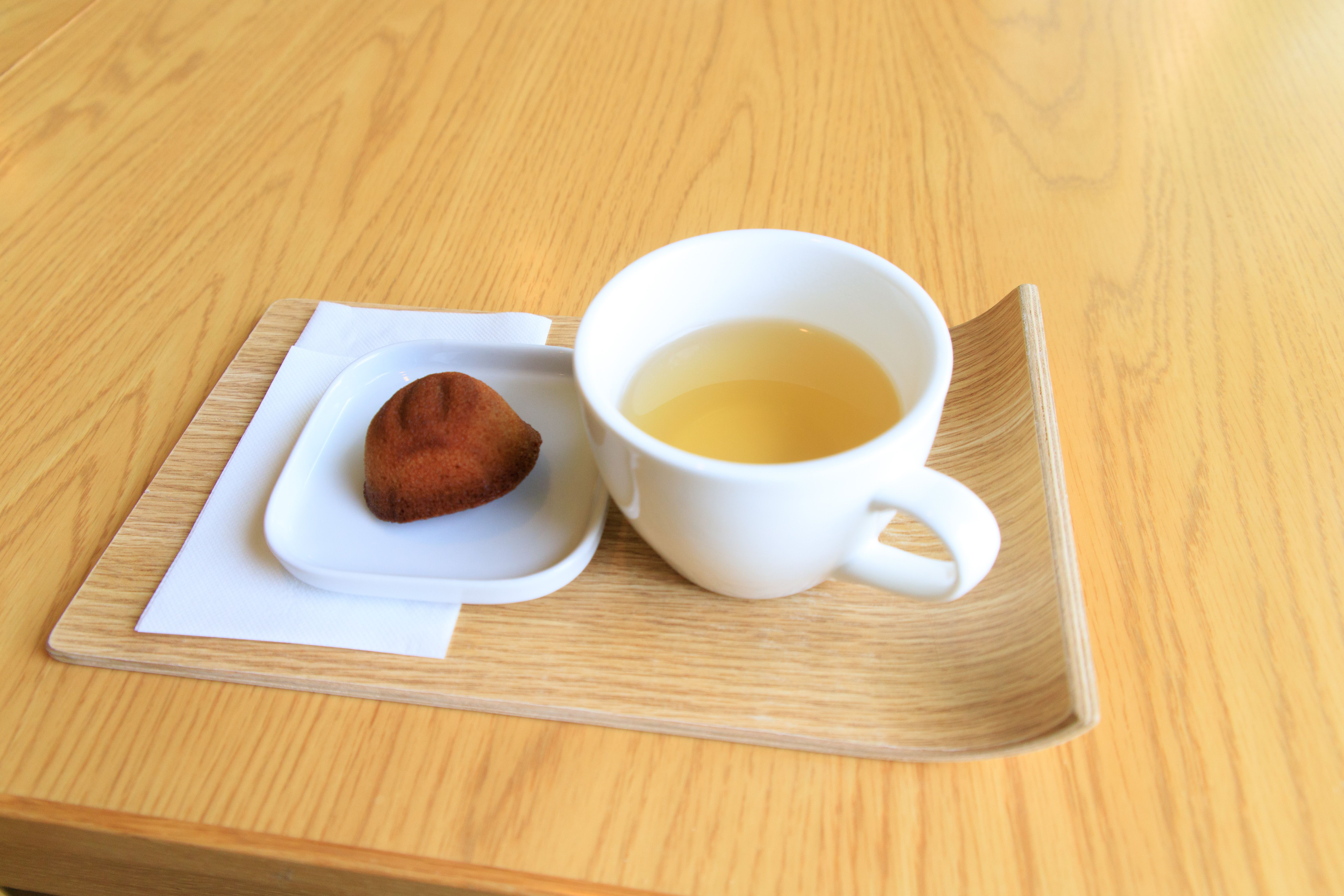
When selecting ingredients for your Japanese dessert platter, focus on quality and variety. Incorporate fresh fruits like strawberries, yuzu, and persimmons for a burst of color and flavor. Add traditional sweets such as mochi, dorayaki, and daifuku to provide an authentic Japanese taste.
Consider including matcha-flavored treats like matcha cookies or cakes for a unique twist. The earthy flavor of matcha pairs beautifully with sweet elements, adding depth to your platter.
Presentation is Key
In Japanese culture, presentation is just as important as taste. Arrange your desserts on a beautiful platter or tray, paying attention to color contrast and symmetry. Use small bowls or decorative papers to separate different items, enhancing the visual appeal.
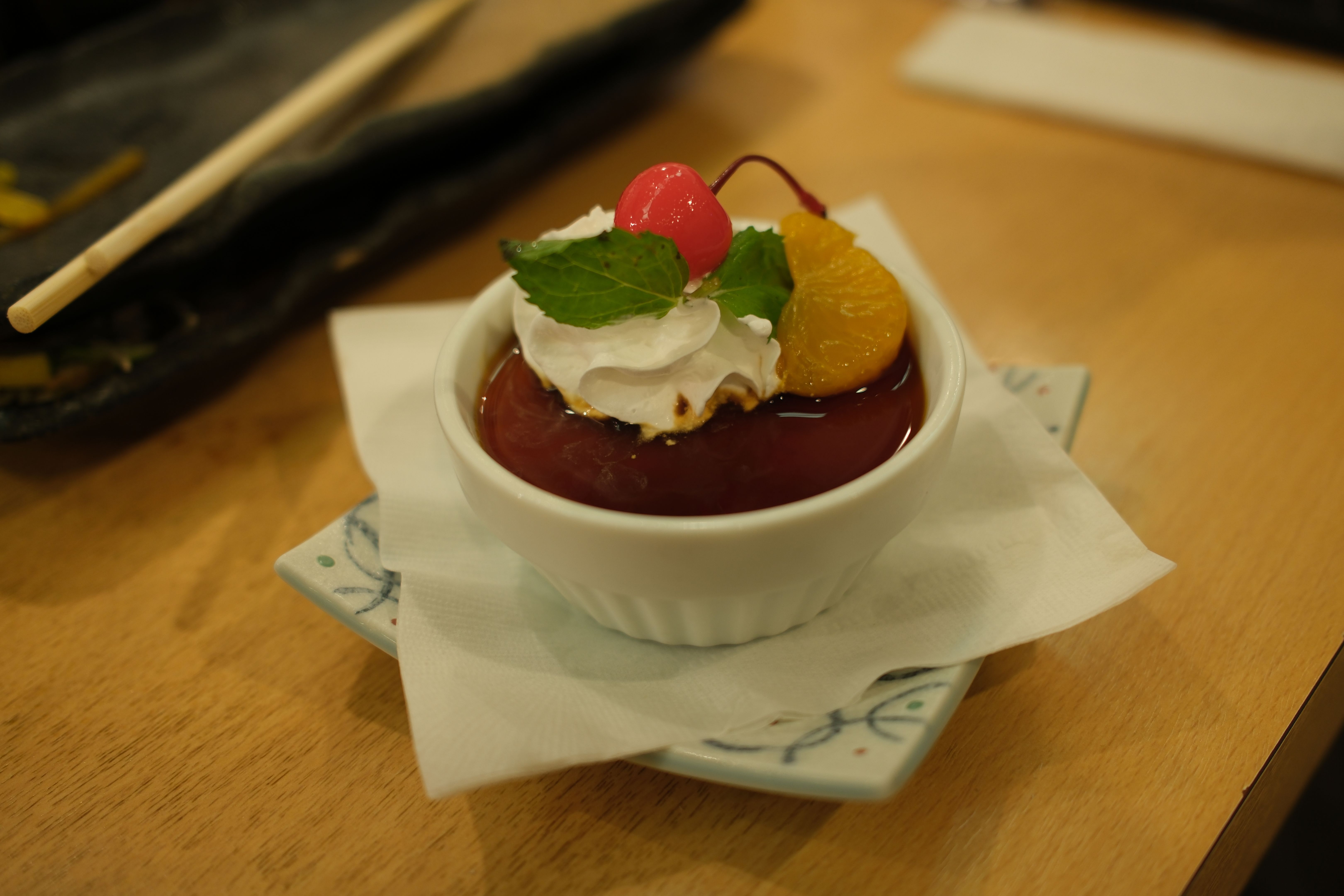
Place larger items like cakes or dorayaki towards the center, and surround them with smaller elements like fruit slices or mochi. This creates a balanced and inviting display.
Incorporating Seasonal Elements
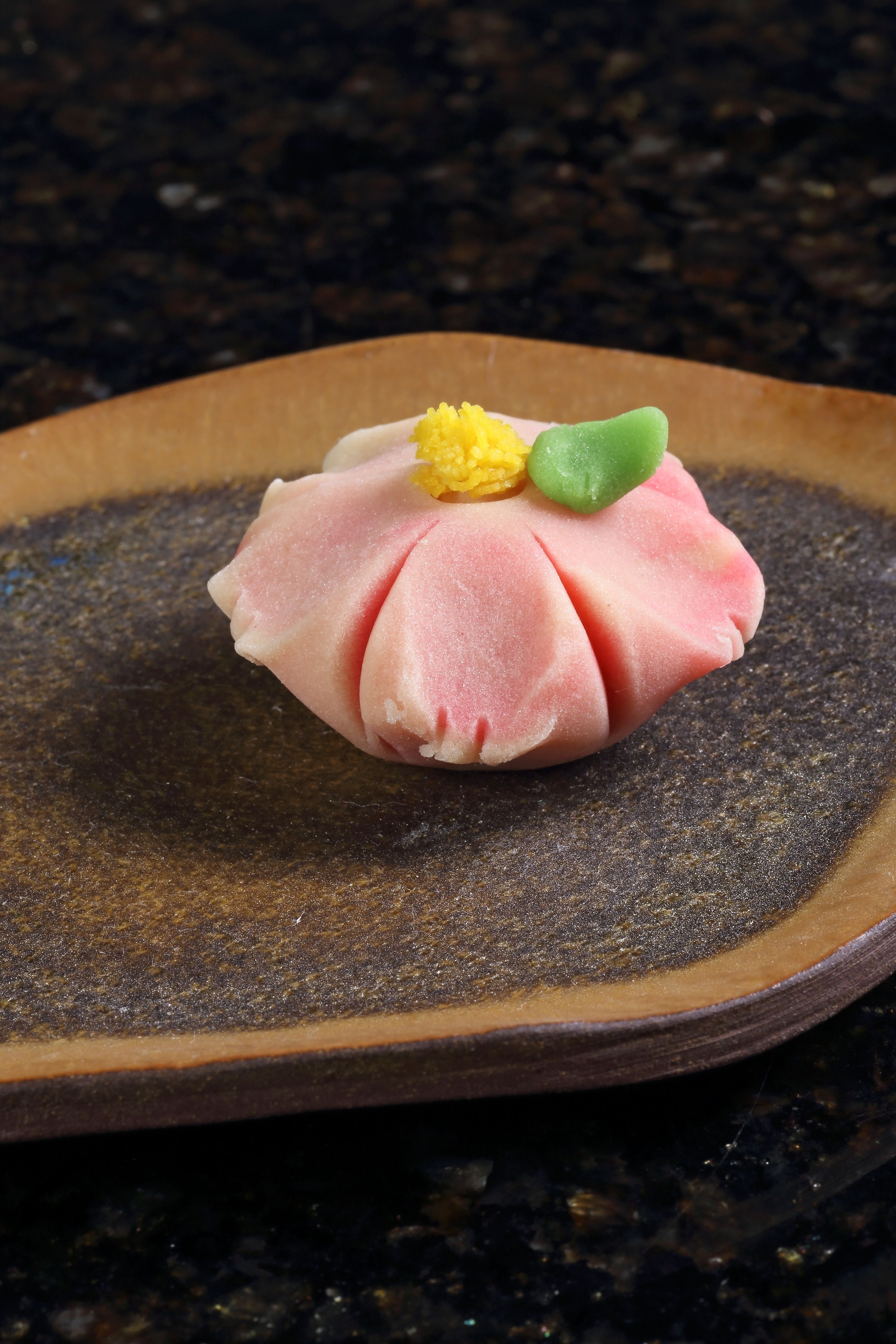
Seasonality plays a crucial role in Japanese cuisine. Incorporate seasonal elements such as sakura blossoms in spring or chestnuts in autumn to add a touch of authenticity. This not only reflects the changing seasons but also showcases your attention to detail.
Using fresh, seasonal ingredients ensures that your platter is not only beautiful but also flavorful and relevant to the time of year.
Balancing Flavors and Textures
A successful Japanese dessert platter offers a balance of flavors and textures. Combine sweet, salty, and umami elements to create a well-rounded taste experience. For example, pair a sweet red bean mochi with a salty seaweed cracker for contrast.
- Soft and Chewy: Mochi, daifuku
- Crisp and Crunchy: Rice crackers, cookies
- Rich and Creamy: Custards, cheesecakes
Adding a Personal Touch
Personalize your dessert platter by adding a signature touch. This could be a homemade dessert, a unique flavor combination, or a special decoration. Personalization not only makes the platter unique but also showcases your creativity and effort.
Consider making your own matcha truffles or fruit jellies to add an element of surprise and delight your guests.
Conclusion
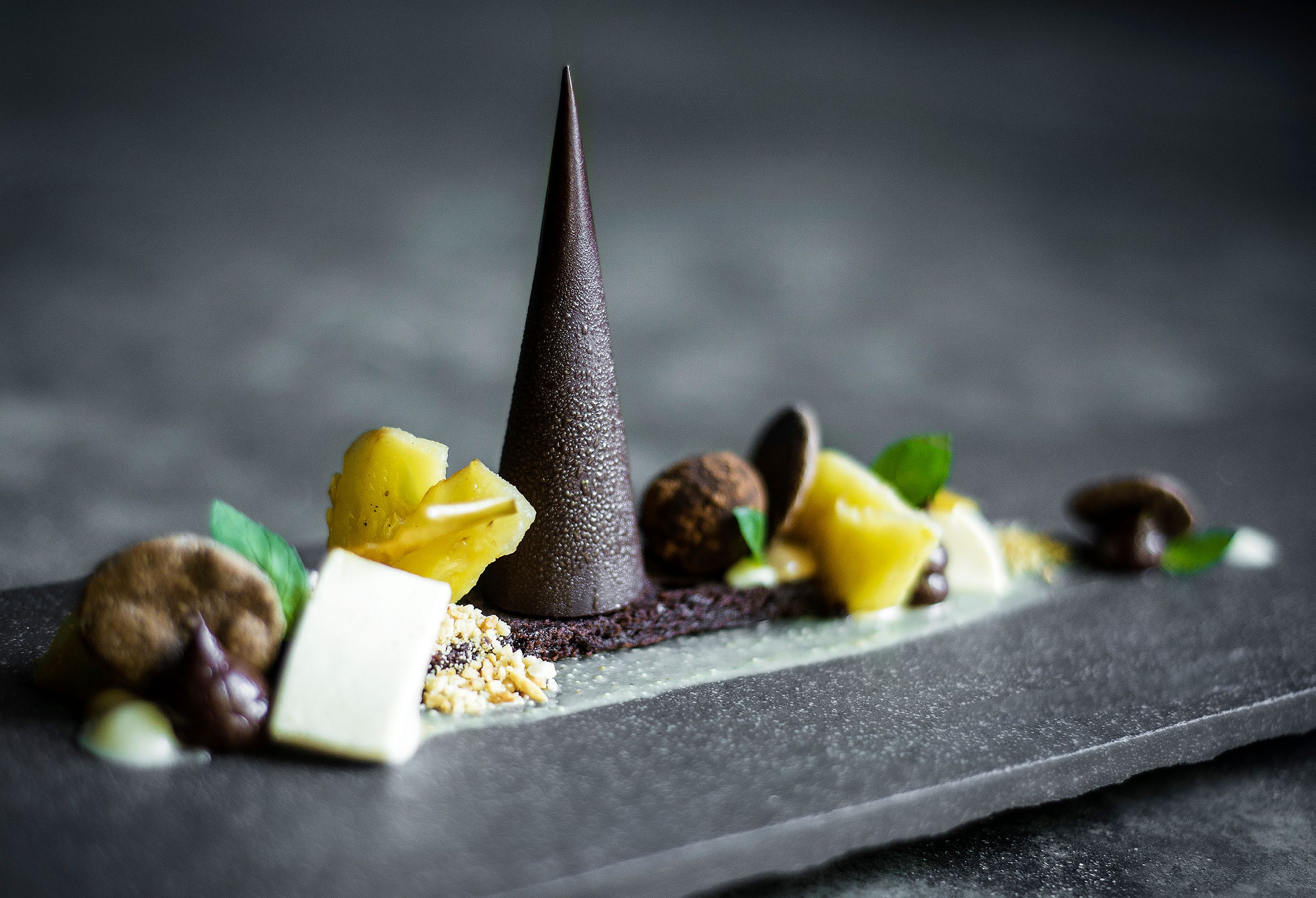
Creating the perfect Japanese dessert platter is a delightful journey of exploration and creativity. By focusing on quality ingredients, thoughtful presentation, and balanced flavors, you can craft a platter that is both beautiful and delicious. Whether you're a seasoned chef or a novice, these tips from Serendipity Hokkaido will guide you in creating a memorable dessert experience.