Japanese Tea and Sweet Pairing: Expert Tips for a Perfect Experience


Japanese tea culture is a beautiful and intricate tradition that extends beyond the simple act of drinking tea. When paired with the right sweets, the experience becomes even more delightful. In this post, we will explore how to perfectly pair Japanese tea with traditional sweets to elevate your tea-drinking experience.
Understanding Japanese Tea Varieties
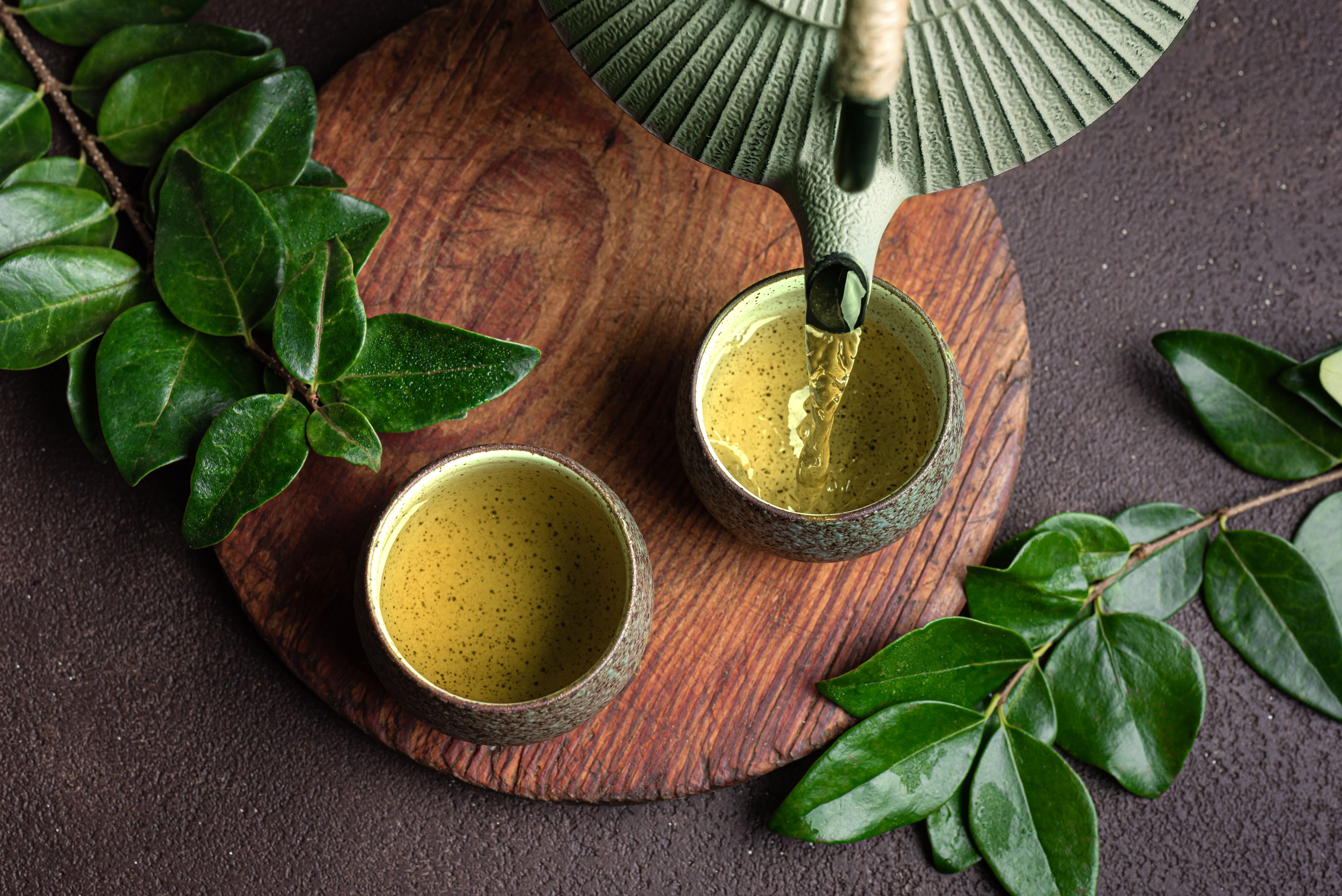
To start, it's essential to understand the different types of Japanese tea. Each type has its own unique flavor profile and characteristics. The most popular varieties include:
- Sencha: A common green tea with a refreshing taste and a hint of sweetness.
- Matcha: A finely ground powder made from green tea leaves, known for its rich and umami flavor.
- Genmaicha: A blend of green tea and roasted brown rice, offering a nutty and savory flavor.
- Hojicha: A roasted green tea with a warm, toasty flavor.
Traditional Japanese Sweets (Wagashi)
Wagashi are traditional Japanese sweets often enjoyed with tea. They are not only delicious but also visually appealing. Common types of wagashi include:
- Yokan: A jellied dessert made from red bean paste, agar, and sugar.
- Manju: A steamed bun filled with sweet bean paste.
- Mochi: A chewy rice cake that can be filled with various sweet fillings.
How to Pair Tea with Sweets
Pairing tea with sweets is an art. Here are some guidelines to help you create the perfect match:
- Match the intensity of the tea with the sweetness of the wagashi. For example, the bold flavor of matcha pairs well with the sweetness of yokan.
- Consider the texture. A smooth tea like sencha complements the chewy texture of mochi.
- Balance flavors. The nutty taste of genmaicha can balance the sweetness of manju, creating a harmonious experience.

Expert Tips for an Enhanced Experience
To maximize your enjoyment, follow these expert tips:
- Serve tea at the right temperature. Green teas like sencha and matcha are best enjoyed when not too hot.
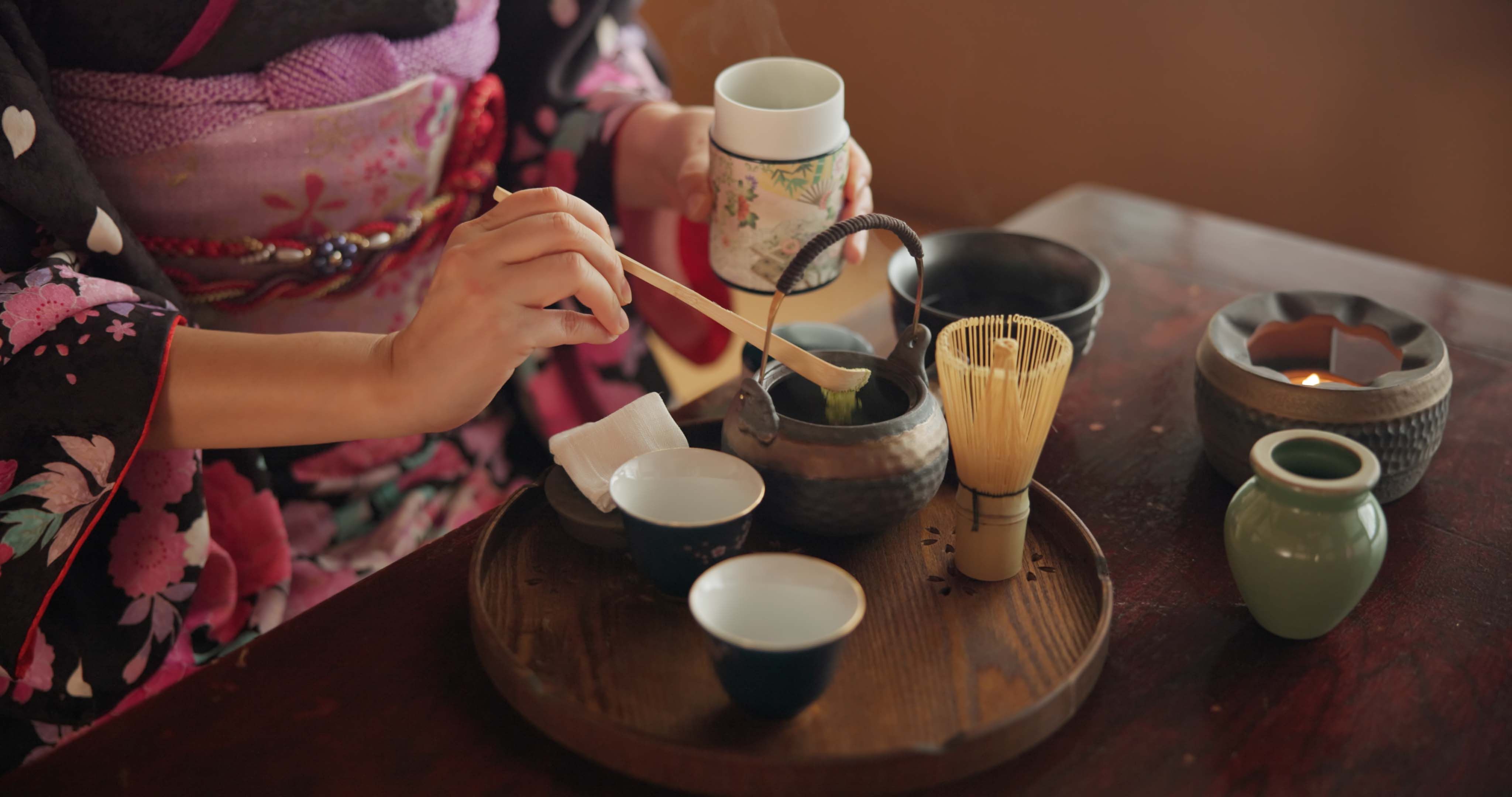
- Use traditional tea utensils for an authentic experience. A chawan (tea bowl) for matcha and a kyusu (teapot) for other teas can enhance the ritual.
- Take your time. Savoring each sip of tea and bite of sweet allows you to fully appreciate the flavors and textures.
Conclusion
Pairing Japanese tea with sweets is a delightful way to experience the rich culture and traditions of Japan. By understanding the different types of tea and sweets, and following a few expert tips, you can create a perfect and harmonious tea-drinking experience. Whether you are enjoying a quiet moment alone or sharing tea with friends, the right pairing can transform an ordinary day into something special.