The Art of Traditional Hokkaido Sweets: A Comprehensive Guide


Hokkaido, the northernmost island of Japan, is renowned for its breathtaking landscapes and rich culinary traditions. Among its most cherished culinary delights are traditional sweets, known as "wagashi." These handcrafted confections are not only a treat for the taste buds but also a feast for the eyes, embodying the essence of Japanese aesthetics and flavors.
Wagashi in Hokkaido are unique, often incorporating local ingredients like red beans, dairy, and fresh fruits. Each sweet tells a story of the region's culture and history, making them an essential part of any culinary journey through Japan.
The History of Hokkaido Sweets
The tradition of making sweets in Hokkaido dates back to the Edo period, when sugar became more accessible in Japan. Over the years, the art of crafting wagashi evolved, influenced by both local customs and the island's natural bounties. The result is a diverse array of sweets, each with its own unique character and flavor profile.
These traditional sweets were originally created for tea ceremonies, where they complemented the bitter taste of matcha. Today, they are enjoyed on various occasions, from festivals to everyday treats, representing a harmonious blend of tradition and innovation.
Popular Types of Hokkaido Sweets
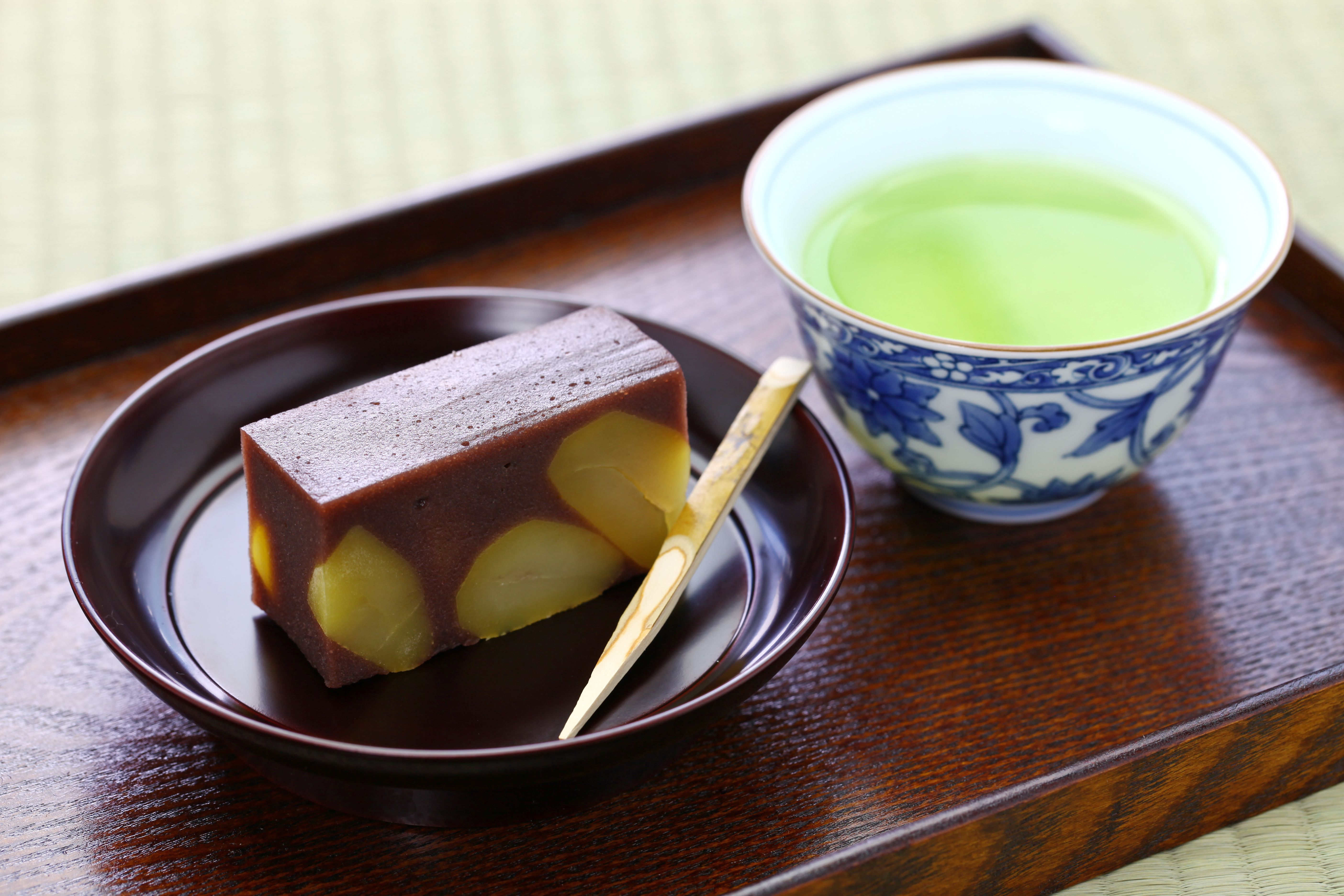
Yokan
Yokan is a classic Japanese sweet made from red bean paste, agar, and sugar. In Hokkaido, you can find unique variations that incorporate ingredients like pumpkin and sweet potatoes, offering a delightful twist on the traditional recipe. Its firm, jelly-like texture makes it a satisfying dessert, perfect for pairing with green tea.
Shiroi Koibito
One of Hokkaido's most famous sweets, Shiroi Koibito, consists of white chocolate sandwiched between layers of crispy butter cookies. This sweet is a testament to the island's rich dairy produce and has gained a loyal following both in Japan and abroad.
The Art of Crafting Wagashi
Creating wagashi is an art form that requires precision, patience, and a deep understanding of flavors. Artisans often spend years perfecting their craft, ensuring each piece is a harmonious blend of taste and aesthetic appeal. The process involves meticulous attention to detail, from selecting the finest ingredients to shaping the sweets into intricate designs.
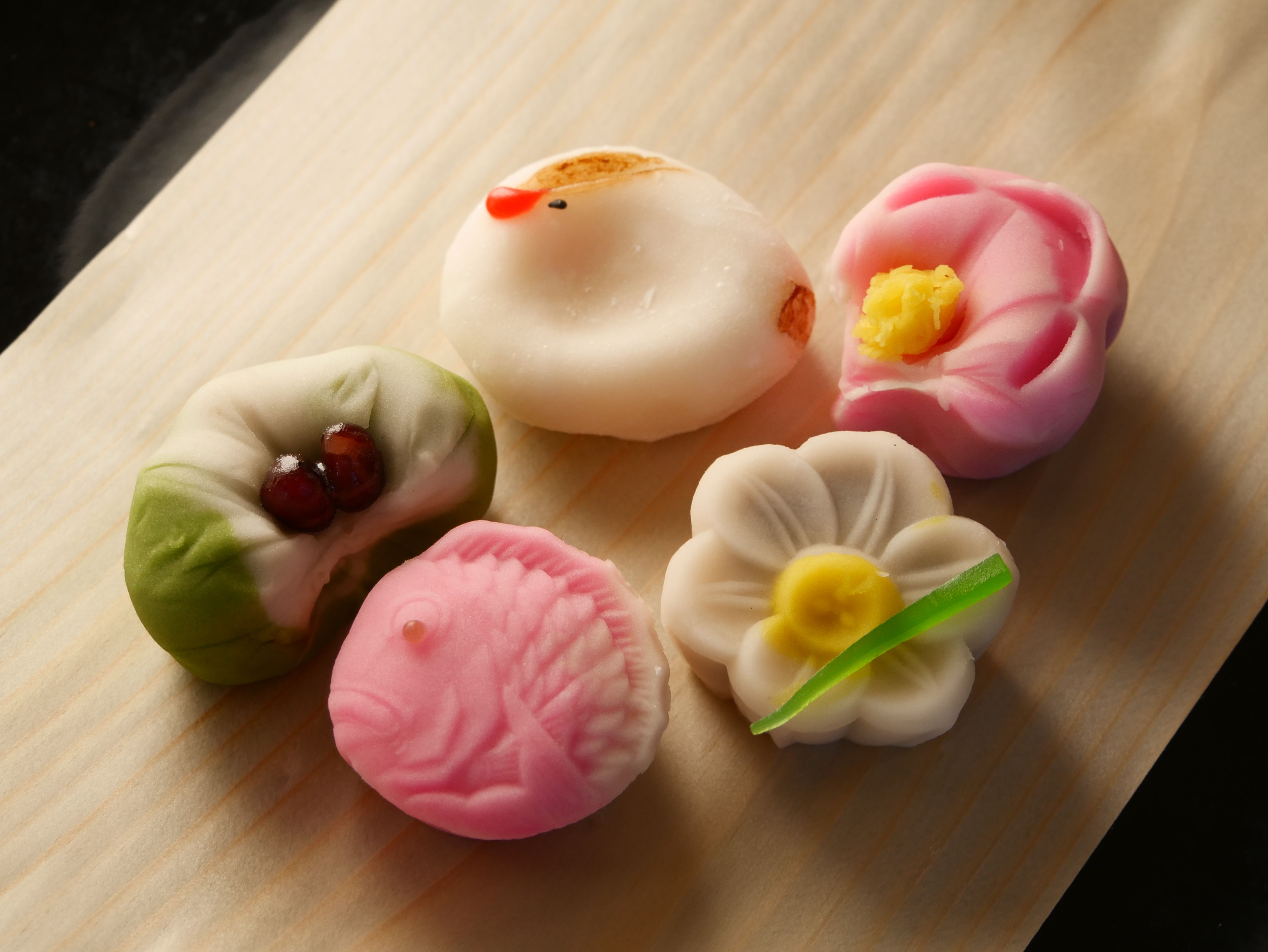
Seasonality plays a crucial role in wagashi, with artisans using ingredients that reflect the changing seasons. Spring might bring cherry blossom-themed sweets, while autumn could inspire treats made with chestnuts and persimmons. This connection to nature is a hallmark of Japanese confectionery, emphasizing harmony and balance.
Where to Experience Hokkaido Sweets
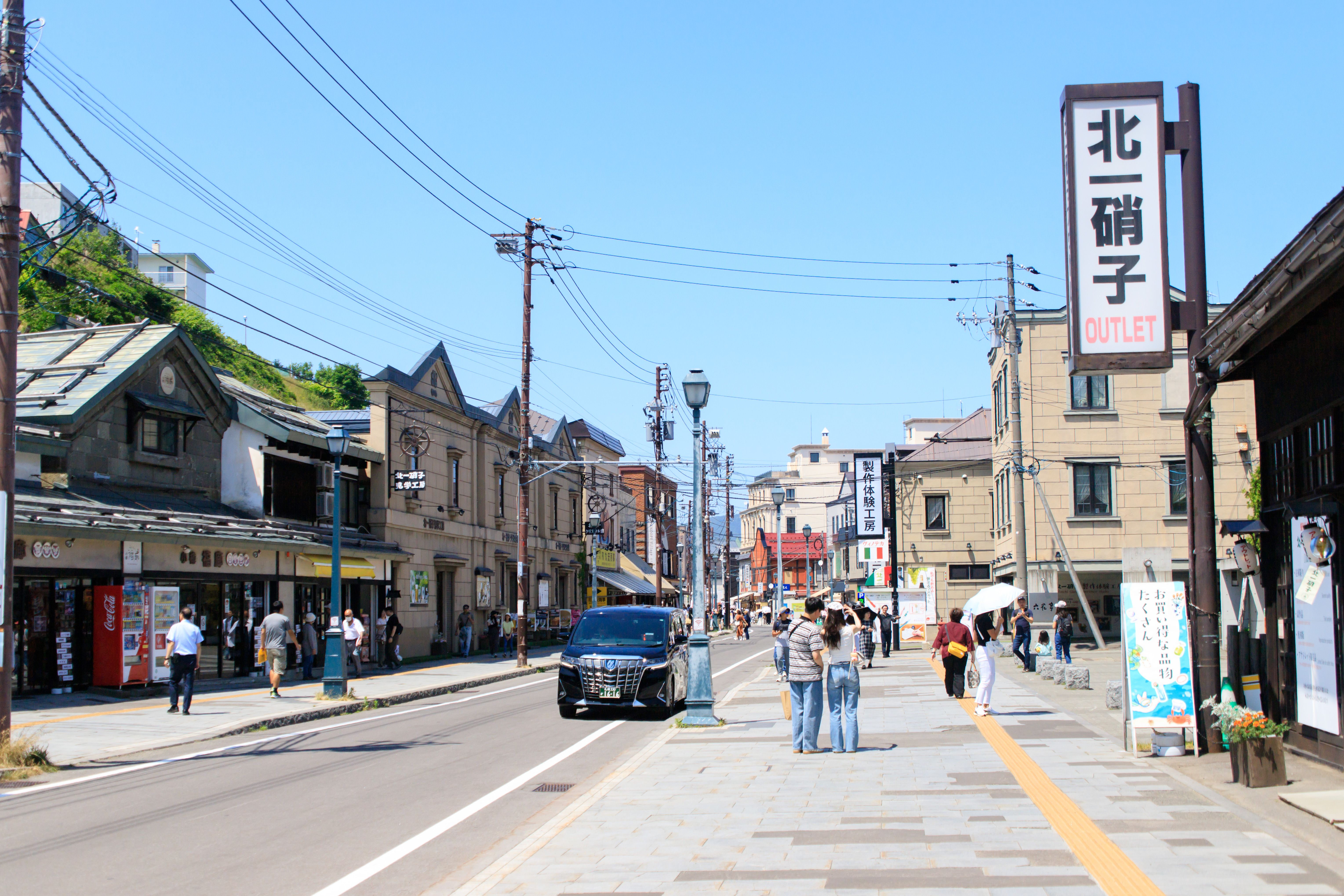
If you're planning a visit to Hokkaido, there are several must-visit places to enjoy these traditional sweets. Local shops and confectioneries in Sapporo and Otaru offer a wide variety of wagashi, allowing visitors to savor authentic flavors and learn about the history behind each creation.
Many establishments also offer hands-on workshops where you can try your hand at making wagashi. These experiences provide insight into the delicate art of Japanese sweets and offer a deeper appreciation for the skill involved in their creation.
In conclusion, the traditional sweets of Hokkaido are a testament to the island's rich cultural heritage and culinary prowess. Whether you're a seasoned traveler or a curious foodie, exploring the world of Hokkaido wagashi promises a delightful journey through flavor, history, and artistry.